
Is Your Jewelry Due for a Checkup? Here's What Your Jeweler Looks For
We wear our favorite pieces of fine accessories every single day, often forgetting that these delicate items endure a significant amount of wear and tear. From typing on keyboards to washing dishes, daily activities can gradually take a toll on your treasured possessions. Over time, metals scratch, clasps loosen, and stones shift, altering the structural integrity and aesthetic appeal of your pieces. Because these changes happen slowly, they are frequently overlooked. However, ignoring the physical condition of these items can lead to heartbreaking losses, such as a missing diamond or a snapped chain. Just as you schedule routine maintenance for your vehicle, it is essential to seek out a professional evaluation for your valuable, everyday accessories. Having a trusted jeweler inspect your collection regularly is the best way to prevent damage. By proactively addressing minor issues before they escalate, you ensure your sentimental treasures remain safe and beautiful. When you hand over your rings, bracelets, or necklaces for a checkup, an expert meticulously examines several crucial components to ensure optimal safety.
Evaluating the Prongs and Settings
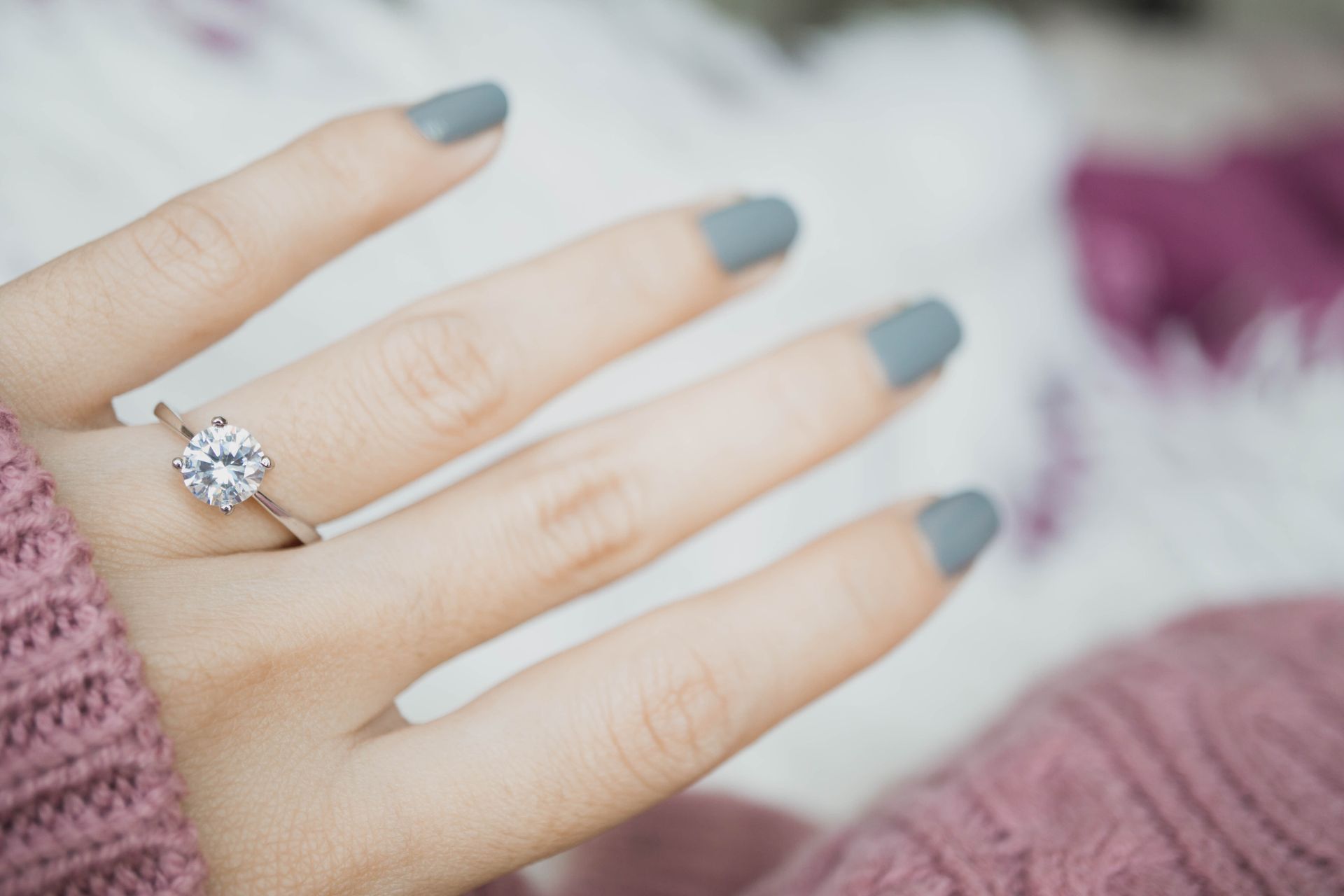
A critical aspect of any inspection focuses entirely on the tiny metal arms that hold your precious gemstones securely in place. These essential components, known as prongs, are exposed to an incredible amount of friction during regular wear. Because they are designed to be relatively unobtrusive, they are inherently delicate and require consistent monitoring. Catching a ring on a thick sweater or bumping your hand against a hard surface can cause these small metal arms to bend, warp, or wear down completely. When a prong becomes compromised, the gemstone it supports is vulnerable and can easily fall out. During a comprehensive evaluation, the professional jeweler will use specialized magnification tools to look closely at every single prong. They check for uneven wear, flattened tips, and any slight bending that might indicate a lack of tension holding the stone. If the metal has worn too thin, they might recommend rebuilding the prongs to restore their original strength. By addressing weakened settings promptly, you avoid the devastating and entirely preventable experience of losing a valuable gemstone.
Checking the Clasps and Fasteners
While rings take the brunt of daily impact, necklaces and bracelets face unique mechanical challenges centered around their moving parts. The clasps and fasteners that keep these items securely draped are subjected to constant opening and closing, leading to mechanical fatigue. A malfunctioning clasp is a leading cause of lost chains, as a sudden failure can cause the piece to slip off silently. During a thorough inspection, an expert repeatedly tests the spring mechanism inside the clasp to ensure it retains its tension and snaps shut securely. They also examine the jump rings, which are the small metal loops connecting the clasp to the main chain. These connection points are notorious for stretching apart under pressure. A knowledgeable jeweler understands exactly how much resistance a healthy clasp should offer and can easily identify a failing spring. If the fastening mechanism feels loose, spongy, or fails to close entirely on its own, it will need to be repaired to guarantee your valuable chain remains safely where it belongs.
Examining the Gemstones and Diamonds
Even the hardest substances on the planet are not entirely immune to damage, which is why a meticulous examination of the actual stones is a mandatory part of any professional checkup. While diamonds are famously durable, they can still chip or fracture if struck at the wrong angle with enough force. Softer stones are even more susceptible to surface abrasions, scratches, and dulling over time. An expert carefully cleans the stones and examines them under high magnification to look for new internal inclusions, surface-reaching fractures, or chipped edges. Additionally, they test the security of the stones within their settings by gently tapping them or applying slight pressure with a specialized tool. If a stone moves or rattles slightly, the setting has loosened and the gem is at risk of falling out. A skilled jeweler can carefully tighten the surrounding metal to lock the loose stone back into its proper position. Identifying and addressing minor chips or loose settings protects your significant financial investment and ensures the dazzling centerpiece remains secure.
Assessing the Metal and Band Integrity
The structural foundation of any ring, bracelet, or pendant lies in the metal forming its base, which is heavily scrutinized during a professional evaluation. Rings suffer from shank wear, where the bottom portion of the ring rubs against surfaces and slowly shaves away the precious metal. Over continuous wear, the friction causes the band to become perilously thin. A thin band can easily bend out of shape or crack entirely under pressure, making the ring unwearable. Professionals measure the thickness of the band to determine if it can withstand continued daily use or if it requires half-shanking, replacing the bottom portion with a thicker piece of metal. Furthermore, the evaluating jeweler will look for deep scratches, gouges, or signs of metal fatigue throughout the entire piece. Addressing these structural weaknesses reinforces the foundation of the item, ensuring it maintains its shape and continues to provide a secure, strong base for any mounted stones or intricate design work.
Cleaning the Piece for Optimal Shine
Beyond structural safety, a comprehensive checkup focuses on restoring the aesthetic brilliance of your favorite accessories. Daily life exposes wearable treasures to a barrage of substances that dull their shine. Lotions, soaps, and natural skin perspiration quickly build up underneath gemstones and within the crevices of complex metalwork. This hidden layer of grime blocks light from passing through the stones, making them look cloudy and lifeless. When you bring your items in for an inspection, they are typically treated to a deep, professional cleaning process that cannot be easily replicated at home. Using powerful ultrasonic machines and specialized steam cleaners, the professional jeweler blasts away stubborn, accumulated dirt from the hardest-to-reach places without damaging delicate materials. Once the debris is removed, the metal may be polished to eliminate superficial scratches and restore a mirror-like finish. This finishing touch makes the piece look brand-new and allows a final visual inspection on a perfectly clean surface. Walking away with a clean, secure piece brings renewed appreciation for the items you love.
Taking proactive steps to care for your cherished accessories guarantees they will remain an important part of your life for years. Whether you wear a simple gold band or an intricate diamond pendant, prioritizing regular professional inspections safeguards your investment against the inevitable wear and tear of daily life. By allowing an expert to scrutinize your prongs, test your clasps, check your stones, and evaluate your bands, you actively prevent heartbreaking losses and costly repairs. The demand for beautiful, lasting accessories continues to grow, and protecting what you own is vital. According to Federal Reserve Economic Data, total U.S. consumer spending on jewelry and watches hit an all-time record of $106.0 billion in 2025. With so much value placed on these adornments, it makes perfect sense to treat them with the utmost respect. Do not wait for a stone to fall out before seeking assistance. If you want to ensure your favorite pieces remain stunning and structurally sound, visit a reputable local jeweler for a thorough inspection. Call Jewelers Bench today to learn more.


Share On: